The cost of treatment abroad has become one of the most searched topics among patients exploring medical tourism. With rising healthcare expenses, long waiting lists, and limited access to specialized procedures in some countries, more people are choosing to travel overseas for medical care. But before taking such a step, understanding the financial aspect of treatment in another country is essential.
This guide breaks down everything you need to know about the cost of treatment abroad, why prices vary, what factors affect your medical expenses overseas, and how to choose a country that balances quality and affordability. We will also look at the role of international health insurance, global healthcare systems, and top destinations for medical tourism—including why Germany stands out.
Whether you are planning elective surgery, chronic disease management, or specialized treatment, this comprehensive article will help you estimate your expenses and avoid unexpected costs.
How Much Does Medical Treatment Cost Abroad?

Understanding the cost of treatment abroad depends on several factors, including the country, hospital, procedure type, doctor’s experience, and length of stay. Prices can differ significantly from one location to another, even when the quality of care is similar.
Average Price Ranges by Procedure (Global Estimates)
Here are typical cost ranges for some popular medical procedures:
Procedure | Cost in the USA | Cost Abroad (Average) |
Heart Bypass | $120,000–$200,000 | $15,000–$35,000 |
Hip Replacement | $40,000–$60,000 | $7,000–$15,000 |
IVF Cycle | $15,000–$20,000 | $3,000–$7,000 |
Rhinoplasty | $8,000–$15,000 | $2,000–$5,000 |
Dental Implants | $4,000–$6,000 | $900–$2,000 |
Liver Transplant | $300,000+ | $50,000–$90,000 |
Countries like Turkey, India, Thailand, Mexico, UAE, and Egypt are well-known for offering high-quality treatment at significantly lower prices due to lower labor costs and government incentives.
Factors That Influence the Cost of Treatment Abroad
- Destination Country – Western Europe and East Asia are often more expensive than Southeast Asia and the Middle East.
- Hospital Type – Private hospitals charge more than government-run facilities.
- Technology and Equipment – Treatments involving robotics, advanced imaging, or precision medicine cost more.
- Doctor’s Experience – Senior consultants and internationally trained surgeons charge higher fees.
- Accommodation and Travel – Flights, hotel, visa, transportation, and post-treatment care add to the overall cost.
To avoid unnecessary expenses, many patients compare countries before choosing where to receive treatment. A helpful way to start is by contacting a trusted medical facilitation partner like MedWheel, which can support you in finding suitable hospitals and accurate cost estimates.
Visit MedWheel’s services for more information.
Why Are the Costs of Private Medical Treatment So High Abroad?
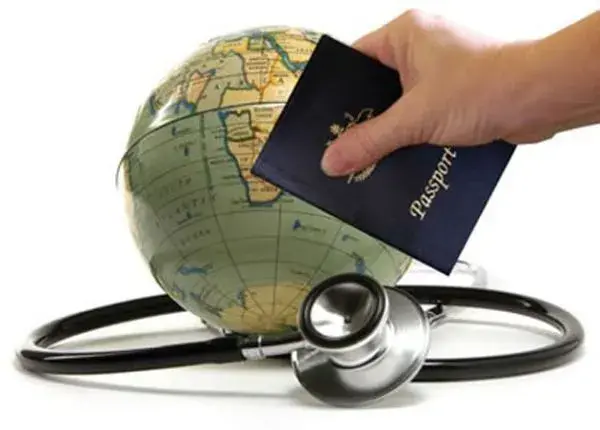
Private healthcare abroad often comes with higher price tags due to several reasons:
1. Advanced Medical Technology
Hospitals abroad—especially in Germany, Singapore, and South Korea—use state-of-the-art equipment such as:
- Robotic surgery systems
- Precision diagnostic imaging
- AI-assisted treatment planning
These technologies improve results but increase the cost of treatment abroad.
2. Highly Qualified Medical Specialists
International hospitals often employ:
- Board-certified surgeons
- Doctors trained in the USA or Europe
- Specialists in fields like oncology, cardiology, orthopedics, and neurology
Such expertise comes at a premium price.
3. Luxury Hospital Services
Many medical tourism hospitals offer:
- Private suites
- English-speaking caregivers
- Personalized treatment coordinators
- VIP patient lounges
These hospitality elements influence the final cost.
4. Medication and Import Fees
Depending on the country, medications and medical equipment may be imported, raising the cost of certain procedures.
Where Is the Most Expensive Medical Treatment Abroad?
The most expensive countries for medical treatment abroad are usually those with strong economies, high living costs, and advanced medical systems.
Top Expensive Destinations for Treatment
- United States – Highest healthcare costs globally
- Switzerland – Premium private hospitals and top specialists
- Germany – Advanced technology and strict healthcare standards
- Japan – Innovative treatments but high living expenses
- South Korea – Cutting-edge medical technologies and cosmetic surgeries
Treatments in these countries may cost three to ten times more than the same procedure in destinations like India or Turkey. However, patients choose them for exceptional quality, advanced research, and world-class medical teams.
What Type of Medical Treatment Abroad Do You Have to Consider?

Before calculating the cost of treatment abroad, identify the type of treatment you need:
1. Elective Surgeries
- Cosmetic surgery (liposuction, facelift, rhinoplasty)
- Dental procedures
- Orthopedic surgeries
Elective treatments are often cheaper abroad, making them the most common for medical tourism.
2. Life-Saving Procedures
- Heart bypass
- Organ transplants
- Neurosurgery
These require specialized facilities and experienced surgeons, influencing the cost.
3. Chronic Disease Management
Countries like India, Thailand, and Turkey offer affordable long-term treatments for:
- Cancer
- Diabetes
- Kidney disease (dialysis)
- Liver disease
4. Wellness and Rehabilitative Treatments
- Physiotherapy
- Weight-loss surgery
- Medical spas and wellness retreats
These are popular because the cost abroad is often much lower.
What Should I Know About Global Healthcare Before Moving Abroad?
If you are relocating for work, retirement, or long-term medical care, understanding the healthcare system of the destination country is crucial.
1. Not All Countries Have Free Healthcare
Some countries offer universal healthcare, while others rely heavily on private insurance.
2. Foreigners May Not Be Eligible for Local Healthcare
Expats often need private international health insurance to cover basic and emergency care.
3. Medical Records May Need Translation
Hospitals require translated documents, especially for specialized treatments.
4. Different Countries Have Different Treatment Standards
Healthcare quality varies significantly across regions. Always research:
- Hospital accreditation
- Doctor qualifications
- Patient reviews
- Available technologies
Using platforms like International Medical Treatment (IMT) can help compare global medical facilities.
Visit the World Health Organization (WHO) website for global healthcare data:
What Do You Need to Know About Healthcare Costs Abroad?

Understanding healthcare costs abroad is crucial to avoid financial surprises. Here are essential points:
1. Hidden Costs Exist
Patients often forget to calculate:
- Follow-up appointments
- Medication
- Post-surgery physiotherapy
- Medical reports
- Extra nights in the hospital
2. Exchange Rates Affect Total Cost
If your home currency is weak, your treatment abroad might cost more.
3. Emergency Situations Are More Expensive
Emergency admissions in private hospitals abroad are significantly higher than scheduled treatments.
4. Government Hospitals Are Cheaper
Public hospitals abroad often cost less but may have:
- Longer waiting lists
- Limited English support
- Less personalized care
How Much Does International Health Insurance Cost?
International health insurance helps cover the cost of treatment abroad for expats, frequent travelers, and medical tourists.
Average Annual Cost of International Health Insurance
Region | Annual Cost (Individual) |
Europe | $3,000–$6,000 |
Middle East | $2,500–$5,000 |
Asia | $1,800–$4,000 |
USA Coverage | $5,000–$12,000 |
Factors Influencing Insurance Costs
- Age – Older individuals pay more.
- Coverage Plan – Basic vs. comprehensive.
- Pre-existing Conditions – Can increase the premium or require additional coverage.
- Country of Residence – Regions with expensive healthcare require higher premiums.
If you’re traveling specifically for treatment, some medical tourism facilitation services—like MedWheel—can assist you in selecting the best insurance options for your needs.
Why Germany Stands Out for Medical Tourism
Germany is one of the most respected medical tourism destinations in the world—and for good reason. The cost of treatment abroad may be higher in Germany than in other countries, but the value, safety, and expertise justify the expenses.
What Makes Germany Unique?
- Highest Medical Standards in Europe
German hospitals follow strict regulations and quality protocols. - Advanced Technology
Robotic surgery, precision oncology, and AI diagnostics are widely used. - World-Class Specialists
Germany attracts top surgeons and researchers. - Innovative Treatments
Patients benefit from the latest therapies in: - Cancer treatment
- Orthopedics
- Cardiology
- Neurosurgery
- Cancer treatment
- Comprehensive Rehabilitation Centers
Ideal for long-term recovery and physiotherapy.
While the cost is higher, Germany remains a preferred destination for highly complex treatments.
How to Reduce the Cost of Treatment Abroad
Lowering the cost of treatment abroad is possible with the right strategy. Many patients overspend simply because they don’t research alternatives or compare medical packages. Here are effective ways to reduce your expenses without compromising on quality:
1. Compare Countries and Hospitals
Prices can vary by more than 60% for the same procedure. For example, a hip replacement may cost $30,000 in Germany but $8,000 in Turkey. Comparing destinations helps you get the best value.
2. Choose Off-Peak Medical Tourism Seasons
Travel and accommodation prices are lower during non-peak months. Some clinics also offer seasonal medical discounts.
3. Ask for All-Inclusive Packages
Some hospitals or medical tourism agencies offer packages covering:
- Consultation
- Surgery
- Medication
- Airport pickup
- Hotel stay
- Post-operative checkups
This reduces unexpected costs.
4. Use Telehealth Before & After Treatment
Virtual consultations help reduce travel time and cost while ensuring continuous medical follow-up.
How to Choose the Best Country Based on the Cost of Treatment Abroad
Choosing the right destination is crucial when evaluating the cost of treatment abroad. Each country offers different strengths, price levels, and specialties.
1. For Low-Cost Treatment
Countries like India, Turkey, Thailand, Malaysia, Egypt, and Mexico offer affordable care with high success rates.
2. For Complex Surgery and Oncology
Consider Germany, Japan, Singapore, and South Korea, which are known for advanced medical technology.
3. For Cosmetic and Dental Procedures
Turkey, Thailand, Brazil, and Hungary are top destinations for affordable aesthetic and dental treatments.
4. For Rehabilitation and Long-Term Care
Countries such as Czech Republic, Poland, and Germany provide excellent rehabilitation services at reasonable prices.
When selecting a destination, consider:
- Treatment specialty
- Hospital accreditation
- Visa requirements
- Language support
- Travel distance
Using a facilitator like MedWheel simplifies destination selection and cost comparison.
Hidden Expenses That Affect the Total Cost of Treatment Abroad
Many patients focus only on the hospital’s initial quote, forgetting that other expenses can significantly impact the overall cost of treatment abroad.
1. Follow-Up Appointments
Post-operative visits may require staying abroad longer or returning for follow-ups.
2. Additional Diagnostic Tests
Some patients need extra imaging such as MRI, CT scans, or blood work not included in the original quote.
3. Travel and Accommodation
Hotel stays, meals, transportation, and visa fees can add hundreds or thousands to the total cost.
4. Emergency Procedures
If complications occur, emergency care will be charged separately.
5. Companion Expenses
Many patients travel with a family member whose expenses must also be included.
Understanding these hidden expenses helps you calculate a realistic budget for your medical journey.
Should You Work With a Medical Travel Agency to Lower the Cost of Treatment Abroad?
Medical travel facilitation services play a key role in helping patients reduce the cost of treatment abroad and avoid risks.
Benefits of Working With a Medical Travel Agency
1. Cost Transparency
Agencies compare hospitals, negotiate prices, and ensure no hidden fees.
2. Easier Communication
They handle doctor communication, medical reports, and appointment scheduling.
3. Better Safety and Quality Control
They recommend accredited hospitals with proven outcomes.
4. Complete Travel Support
From airport pickup to hotel booking and post-treatment follow-up, they guide you step-by-step.
A reliable facilitator like MedWheel ensures a smooth, safe, and cost-effective treatment journey, especially for complex medical needs.
Conclusion
The cost of treatment abroad varies widely depending on your destination, type of procedure, doctor’s experience, and additional travel-related expenses. Choosing the right country requires balancing quality, affordability, and comfort. Whether you're seeking specialized surgery, chronic disease management, or wellness treatments, understanding global healthcare systems and insurance options will help you plan effectively.
To make the process easier, partnering with a professional medical travel coordinator like MedWheel ensures you receive accurate cost estimates, reliable hospital recommendations, and support throughout your medical journey.
Explore their services at MedWheel.co
FAQs
1. What is the average cost of treatment abroad?
Prices typically range from 30% to 80% less than in the USA or Western Europe, depending on the country and procedure.
2. Which country provides the cheapest medical treatment?
India, Turkey, Thailand, Egypt, and Mexico offer some of the most affordable high-quality healthcare services.
3. Why do people travel abroad for treatment?
Lower costs, shorter waiting times, advanced technologies, and access to specialized doctors attract medical tourists.
4. Is insurance required for medical treatment abroad?
Not required, but highly recommended to cover emergencies, complications, or unexpected expenses.
5. Which treatments are most popular abroad?
Cosmetic surgery, dental implants, IVF, orthopedic surgery, cardiac procedures, and cancer treatments.
6. Why is Germany popular for medical tourism?
Germany offers advanced technology, world-class specialists, and high success rates for complex medical procedures.