Cardiovascular diseases remain one of the leading causes of death worldwide, increasing the demand for advanced heart treatments. However, the high cost of cardiac surgery in many countries—especially the US, Canada, and parts of Europe—has led millions of patients to explore cardiac surgery abroad. Medical tourism for heart procedures is growing rapidly as people seek world-class treatment at significantly lower prices, shorter waiting times, and highly specialized cardiac surgeons.
Countries such as India, Turkey, Thailand, Germany, and the UAE have become major hubs for international heart patients. These destinations offer cutting-edge cardiac centers, minimally invasive technologies, advanced recovery programs, and internationally accredited hospitals. Whether someone needs a coronary artery bypass, valve replacement, angioplasty, or a heart transplant, cardiac surgery abroad can be a safe, cost-effective solution.
This comprehensive guide will help you understand the benefits, risks, costs, and step-by-step process of planning your cardiac treatment overseas. You'll also access trusted medical travel assistance to support your journey.
What Is Cardiac Surgery and Why Do Patients Consider Cardiac Surgery Abroad?

Cardiac surgery refers to any surgical procedure performed on the heart or surrounding blood vessels to treat life-threatening cardiovascular conditions. Common conditions requiring surgical intervention include:
- Coronary artery disease
- Heart valve defects
- Arrhythmias
- Congenital heart disorders
- Heart failure
While local treatment is often preferred, many patients choose cardiac surgery abroad due to several reasons:
1. Lower Cost Compared to Local Healthcare
In the US or UK, cardiac surgery costs can reach astonishingly high amounts due to hospital charges, surgeon fees, and long recovery durations. Many international medical destinations offer:
- 60–80% cost savings
- Equal or superior medical quality
- Transparent package pricing
2. Shorter Waiting Times
Public healthcare systems in some countries have lengthy waiting lists for life-saving heart procedures. Traveling abroad allows patients to receive:
- Faster diagnosis
- Immediate surgical intervention
- Faster recovery support
3. Access to Advanced Technology
Top global cardiac centers use leading-edge technologies such as:
- Robotic heart surgery
- Minimally invasive valve repair
- 3D imaging and mapping systems
- Hybrid cardiac operating rooms
4. Highly Specialized Heart Surgeons
Many top cardiac surgeons abroad have:
- International certifications
- Fellowships in the US or Europe
- Decades of experience
- Thousands of successful surgeries
Types of Cardiac Surgery Offered Abroad
One of the major advantages of traveling for cardiac surgery abroad is the wide range of heart procedures offered. These procedures are performed according to international medical guidelines and quality standards.
1. Coronary Artery Bypass Grafting (CABG)
A procedure for severe coronary artery disease where blood flow is redirected around blocked arteries.
- Cheaper abroad by 60–70%
- Minimally invasive options available
- Often performed by highly trained cardiac teams
2. Heart Valve Repair and Replacement
Valve diseases can be treated using:
- Mechanical valves
- Tissue valves
- Transcatheter Aortic Valve Replacement (TAVR)
Countries like Germany and Turkey lead in TAVR expertise.
3. Angioplasty and Stent Placement
A minimally invasive procedure to open blocked arteries using:
- Drug-eluting stents
- Bare-metal stents
- Balloon angioplasty
4. Arrhythmia and Pacemaker Surgery
Cardiac centers abroad provide:
- Pacemaker implantation
- ICD implantation
- Ablation procedures
5. Congenital Heart Surgery
Performed for infants, children, and adults with congenital heart defects.
6. Heart Transplantation (In Select Countries)
.
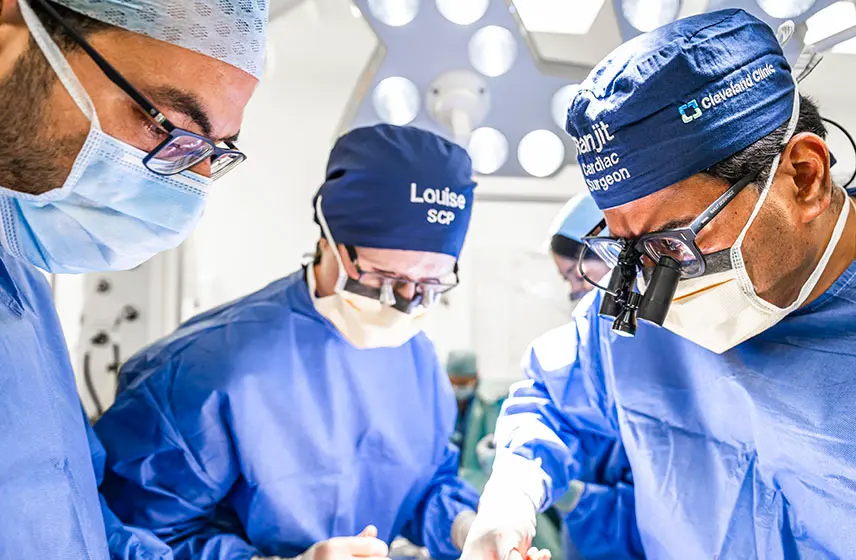
Only available in specialized global hospitals that follow strict legal and ethical frameworks.
Benefits of Getting Cardiac Surgery Abroad
Traveling for cardiac surgery abroad provides multiple advantages beyond cost.
1. Access to International Accreditations
Most leading medical tourism countries host hospitals accredited by JCI (Joint Commission International) or equivalent organizations. Accreditation guarantees:
- High-quality patient care
- Strict hygiene and safety protocols
- Use of global surgical standards
2. Dedicated International Patient Departments
Hospitals abroad offer seamless support including:
- Airport pickup
- Hotel booking assistance
- Language interpreters
- 24/7 patient coordination
3. Modern Post-Operative Rehabilitation
Specialized cardiac rehabilitation programs include:
- Physiotherapy
- Diet planning
- Follow-up appointments
- Medication schedules
4. Combining Health With Travel
Many patients enjoy peaceful recovery environments such as coastal cities, mountains, or wellness centers.
5. Comprehensive Packages
Packages may include:
- Consultation
- Pre-operative tests
- Surgery
- Hospital stay
- ICU care
- Medications
- Follow-up
Cost of Cardiac Surgery Abroad
The cost varies depending on the procedure, surgeon, hospital, and country. Here is a general comparison:
Average Global Prices for Cardiac Surgery
Procedure | USA/UK | Abroad (India, Turkey, Thailand) |
CABG | $70,000–$120,000 | $7,000–$25,000 |
Heart Valve Replacement | $80,000–$150,000 | $10,000–$30,000 |
Angioplasty | $40,000–$60,000 | $3,000–$10,000 |
Pacemaker Implantation | $30,000–$50,000 | $4,000–$12,000 |
These prices vary but typically offer savings of 60–80%.
Countries With the Best Value for Cardiac Surgery Abroad
- India: Lowest cost with top international surgeons
- Turkey: High-quality care + modern hospitals
- Thailand: Excellent hospitality + advanced cardiac units
- Germany: Premium cardiac care with advanced technologies
- UAE: Luxurious medical facilities
Top Countries for Cardiac Surgery Abroad
1. India
Known for high-volume cardiac centers, advanced innovations, and experienced doctors.
2. Turkey
.
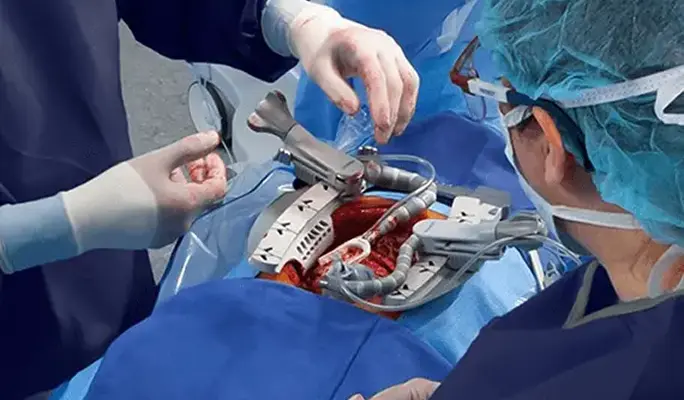
Offers JCI-accredited hospitals and affordable heart surgery options.
3. Germany
Renowned for cutting-edge medical research, precision, and the latest technology.
4. Thailand
Exceptional hospitality, post-surgery rehabilitation, and modern medical facilities.
5. UAE
A growing hub for luxury medical tourism and advanced cardiology treatments.
How to Choose the Right Hospital for Cardiac Surgery Abroad
When choosing a heart hospital overseas, consider the following:
Verify JCI or equivalent certifications.
Surgeon Credentials
Look for:
- Years of experience
- Board certification
- International training
- Successful surgery records
Hospital Facilities
Consider:
- ICU availability
- Advanced cardiac care units
- Robotic surgery capabilities
Patient Reviews
Read testimonials from previous international patients.
Transparent Pricing
Request full cost breakdowns without hidden fees.
Post-Operative Support
Ensure the hospital offers rehabilitation and remote follow-ups.
Step-by-Step Process for Planning Cardiac Surgery Abroad
Step 1: Medical Evaluation
Share your medical reports with a trusted provider for assessment.
Step 2: Choosing a Destination & Hospital
Compare costs, expertise, and success rates.
Step 3: Getting a Treatment Plan
A treatment plan includes:
- Surgery type
- Estimated stay duration
- Package pricing
- Pre-operative requirements
Step 4: Visa & Travel Arrangements
Countries like India and Turkey offer fast medical visas.
Step 5: Airport Pickup & Admission
Hospitals arrange transportation and initial consultations.
Step 6: Surgery & ICU Care
International teams provide world-class heart care.
Step 7: Recovery & Rehabilitation
Follow post-operative guidelines carefully.
Risks and Considerations of Cardiac Surgery Abroad
While thousands of patients successfully receive treatment overseas, risks still exist.
1. Travel Risks
Long flights may pose risks after surgery—plan carefully.
2. Language Barriers
Although many hospitals offer interpreters, communication can still be challenging.
3. Post-Surgery Follow-Up
Plan how you will manage follow-up visits after returning home.
4. Quality Variation
Not all hospitals maintain the same standards—so proper research is essential.
Cardiac Surgery Abroad and Modern Minimally Invasive Techniques
Modern cardiac centers abroad use minimally invasive techniques that reduce:
- Pain
- Infection risk
- Hospital stay
- Recovery time
Minimally invasive heart surgery is especially useful in valve repair, septal defect closure, and coronary bypass procedures.
Why Cardiac Surgery Abroad Is Growing in Popularity
The global rise of medical tourism is driven by:
- Increasing healthcare costs in developed countries
- Improved international hospital standards
- Greater patient awareness
- Availability of advanced surgical robots and imaging
The combination of affordability and top-tier technology has made cardiac surgery abroad a trusted choice for millions.
Cardiac Surgery Abroad and Post-Operative Rehabilitation Programs
Post-operative rehabilitation is one of the most important phases of any heart procedure. Many hospitals offering cardiac surgery abroad also provide tailored rehabilitation programs designed specifically for international patients. These programs help patients regain strength, improve cardiovascular health, and prevent future complications.
What Rehabilitation Includes
- Supervised physiotherapy
- Breathing exercises to enhance lung function
- Mobility and strength training
- Dietary plans prepared by cardiac nutritionists
- Guidance on managing medications
- Lifestyle modification counseling
Why International Rehabilitation Is Effective
Countries like Germany, Thailand, and Turkey provide advanced cardiac rehab centers equipped with state-of-the-art monitoring systems. These programs ensure that patients recover faster and return to normal life with confidence.
Success Rates and Medical Outcomes of Cardiac Surgery Abroad
One of the biggest reasons patients choose cardiac surgery abroad is the impressive success rates offered by international medical centers. Many global cardiac hospitals have decades of experience treating international patients and record outstanding surgical outcomes.
Average Success Rates
- CABG Surgery: 95–98%
- Heart Valve Replacement: 94–97%
- Angioplasty: Over 98% success in many countries
These high success percentages are often supported by:
- World-class cardiac surgeons
- Modern diagnostic imaging
- Advanced surgical robotics
- Hybrid operating rooms
- Strict patient safety protocols
Supporting Factors
Top destinations for cardiac surgery maintain rigorous quality control, multidisciplinary cardiac teams, and international certifications—ensuring safe and reliable results.
Aftercare Support Following Your Cardiac Surgery Abroad
Patients returning home after cardiac surgery abroad often worry about follow-up care. Fortunately, most international hospitals provide strong follow-up support and digital aftercare services.
Common Aftercare Services
- Online follow-up consultations
- Remote monitoring of vital signs
- Electronic medical reports
- Emergency guidance
- Rehabilitation instructions
- Medication adjustments
Why Aftercare Matters
Proper follow-up ensures long-term success, reduces the risk of complications, and helps patients transition smoothly back into daily routines. Many hospitals collaborate with local doctors in the patient’s home country to ensure continuity of care.
How Medical Travel Agencies Simplify Cardiac Surgery Abroad
Planning cardiac surgery abroad can be overwhelming without professional help. This is why many patients work with medical travel agencies or facilitators who coordinate everything from start to finish.
Services Offered by Medical Travel Agencies
- Matching patients with the best cardiac hospitals
- Arranging medical reports & consultations
- Providing cost comparisons
- Managing visa and travel arrangements
- Coordinating airport pickup and local transportation
- Booking accommodations for families
- Offering 24/7 assistance during the medical stay
Tips for a Safe and Successful Cardiac Surgery Abroad Journey
To ensure the safest experience:
- Choose accredited hospitals
- Ask for surgeon credentials
- Request detailed surgery reports
- Follow doctor’s recovery instructions strictly
- Avoid strenuous travel after surgery
- Carry medical documents and prescriptions
Conclusion
Choosing cardiac surgery abroad can open the door to world-class treatment, affordable medical packages, and access to highly specialized cardiac surgeons who use some of the most advanced technologies in modern cardiology. For many patients, traveling overseas for heart surgery offers a practical and life-saving solution—combining shorter waiting times, superior hospital care, and significant cost savings without compromising safety or quality.
With proper planning, research, and support from trusted medical facilitators, patients can navigate the process confidently—from initial diagnosis to post-operative recovery. As medical tourism continues to expand globally, more hospitals are adopting international standards to ensure safe, reliable, and transparent care for foreign patients seeking advanced cardiac treatments.
If you are considering cardiac surgery abroad, partnering with a reputable medical travel service such as Medwheel can make your entire journey smoother and more secure—helping you choose the right hospital, arrange medical visas, organize travel, and guide you step-by-step toward a healthier future.
Frequently Asked Questions (FAQs)
1. Is cardiac surgery abroad safe?
Yes, when performed at accredited hospitals with experienced cardiac surgeons.
2. How much can I save with cardiac surgery abroad?
Patients usually save 60–80% compared to US/UK prices.
3. Which country is best for cardiac surgery abroad?
India, Turkey, Germany, Thailand, and the UAE are top destinations.
4. Can I travel after heart surgery?
Only after receiving medical clearance, typically 2–6 weeks post-surgery.
5. How long is the hospital stay?
Most cardiac surgeries require 5–10 days in the hospital plus 1–2 weeks of rehabilitation.
6. How do I arrange cardiac surgery abroad?
You can consult international medical facilitators like